


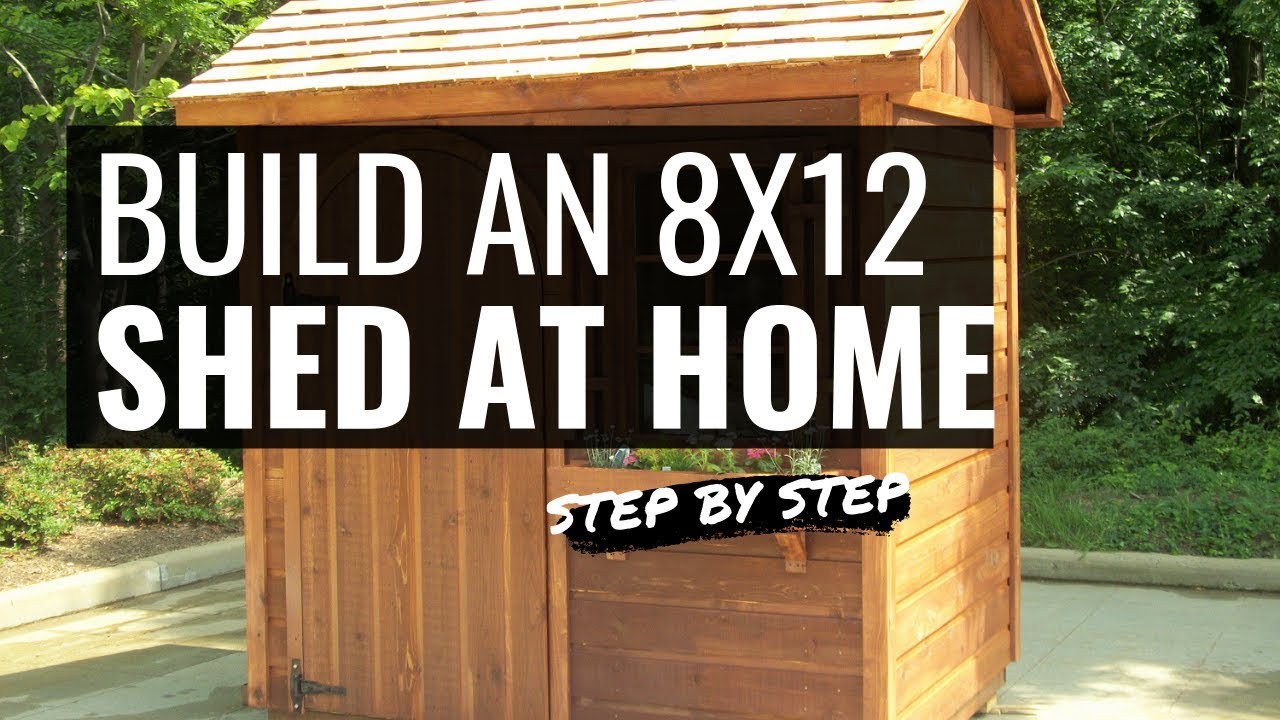
Build Your Dream 8x12 Shed: A Comprehensive DIY Guide
Dreaming of a spacious, organized shed for your gardening tools, bicycles, or workshop equipment? This comprehensive DIY guide walks you through building a sturdy and efficient 8x12 shed, even if you're a novice builder. We'll break down the process into manageable steps, equipping you with the knowledge and confidence to tackle this rewarding project. Forget expensive contractors â€" let's build it yourself!
Planning and Preparation: Laying the Foundation for Success
Before you even think about hammering a nail, meticulous planning is crucial. Start by securing the necessary permits from your local council. This avoids potential headaches down the line. Next, carefully choose your shed's location. Consider factors like sunlight, access to utilities (if needed), and proximity to your house. Level the ground thoroughly; a perfectly level foundation is the cornerstone of a stable shed. You'll need approximately 128 square feet of level ground. Mark out the dimensions of your shed (8 feet wide by 12 feet long) using stakes and string for precise placement. Finally, create a detailed materials list based on the plans provided later. This prevents costly mid-project trips to the hardware store.
Building the Foundation: A Solid Base for Your Shed
Choosing the Right Foundation
For an 8x12 shed, a concrete slab foundation offers exceptional durability and stability. Alternatively, a pressure-treated lumber base provides a more budget-friendly option. Consider your budget, local soil conditions, and desired longevity when making your decision. For a concrete foundation, excavate the area to a depth of about 6 inches, add gravel for drainage, and then pour and level the concrete. Allow ample curing time (at least 24-48 hours) before proceeding.
Constructing a Wooden Base
If opting for a wooden base, treat lumber with pressure-treated wood to resist rot and insects. Lay down a layer of gravel for drainage, followed by a robust frame of pressure-treated 4x4 posts set in concrete footings at each corner and every 4 feet along the sides. Connect these posts using pressure-treated 2x6 lumber to create a solid frame. Ensure the frame is perfectly level and square before proceeding to the walls.
Framing the Walls and Roof: Constructing the Shed's Skeleton
Using pressure-treated 2x4 lumber, build the wall frames. Cut and assemble the lumber according to your chosen shed design, ensuring all angles are perfectly square. Remember to leave openings for doors and windows. Once the wall frames are complete, erect them on the foundation, securing them firmly to the base. Next, build the roof trusses using appropriate lumber and connect them to the top plates of the wall frames. Ensure the trusses are properly spaced and securely fastened for optimal roof support.
Sheathing and Roofing: Protecting Your Investment
Cover the wall frames with exterior-grade plywood or OSB sheathing. Ensure proper overlap and secure fastening for a robust and weather-resistant exterior. For the roof, use plywood or OSB sheathing, ensuring proper overlap. Finally, install your chosen roofing material (e.g., asphalt shingles, metal roofing). Seal all joints and seams with roofing sealant to prevent leaks.
Finishing Touches: Adding the Final Details
Install the exterior doors and windows, carefully sealing around them to prevent drafts and water infiltration. Add trim and flashing to enhance the shed's appearance and provide added protection from the elements. You can customize your shed with additional features such as shelving, workbenches, or electrical outlets as needed. A final coat of exterior paint or stain will protect the wood and add a touch of personality.
Essential Tools and Materials
- Measuring Tape
- Level
- Shovel
- Post Hole Digger (if using a concrete foundation)
- Circular Saw
- Drill
- Hammer
- Nail Gun (recommended)
- Pressure-Treated Lumber (4x4 posts, 2x4 and 2x6 framing lumber)
- Plywood or OSB Sheathing
- Roofing Material
- Exterior Paint or Stain
- Doors and Windows
- Fasteners (nails, screws)
Disclaimer: This guide provides general instructions. Always consult local building codes and adapt the plans to your specific needs and materials. Safety should be your top priority throughout the entire building process. Wear appropriate safety gear, including safety glasses and gloves.


No comments:
Post a Comment
Note: Only a member of this blog may post a comment.